
The hum of a well-functioning air conditioner is the unsung symphony of summer in Salt Lake County. When it falters, the entire household feels the discordant note. Most homeowners think of HVAC maintenance as a mysterious ritual performed exclusively by licensed technicians. This is a profound misconception, costing countless dollars in premature system failures and inflated energy bills. The truth is, a significant portion of what keeps your AC purring can be handled by you, with a few tools and a dose of diligence.
Imagine driving your car for years without ever changing the oil or checking the tire pressure. You wouldn't, because you understand the direct link between basic upkeep and vehicle longevity. Your HVAC system, often the single largest energy consumer in your home, deserves no less attention. Neglecting simple, proactive measures is like signing a premature death warrant for your expensive equipment, particularly in areas like West Valley City where systems work hard against extreme temperatures. The goal isn't to replace your professional technician – far from it – but to empower you with the knowledge to be an active participant in your home's comfort and efficiency.
The Unseen Enemy: Filter Neglect and Its Devastating Impact
If there's one single, universally neglected task that shortens an AC's life more than any other, it's ignoring the air filter. This isn't just about air quality; it's about the very breath of your system. A clogged filter chokes the airflow, forcing your blower motor to work harder, consume more electricity, and eventually, burn out. It's like trying to run a marathon while breathing through a coffee stirrer.
The Fix: Inspect your air filter monthly. If it's grey and caked with dust, change it. Period. For most homes, this means replacing it every 1-3 months. Pet owners, allergy sufferers, or those living near construction might need to do it even more frequently. Don't cheap out on filters; a higher MERV (Minimum Efficiency Reporting Value) rating offers better filtration, but ensure your system can handle the increased airflow resistance. When in doubt, consult your system's manual or a local HVAC professional in Salt Lake County.
The Outdoor Unit: A Battle Against Nature's Onslaught
Your outdoor unit, the condenser, is the workhorse of your AC system, often battling against dirt, leaves, grass clippings, and even curious pets. Its primary job is to release heat absorbed from inside your home. When its fins are caked with debris, it can't efficiently shed that heat, leading to reduced cooling capacity and increased energy consumption. Think of it as wearing a thick winter coat in July.
The Fix:
- Clear the Perimeter: Maintain at least a two-foot clearance around the condenser unit. Trim back shrubs, trees, and tall grass. Remove any accumulated leaves, dirt, or trash.
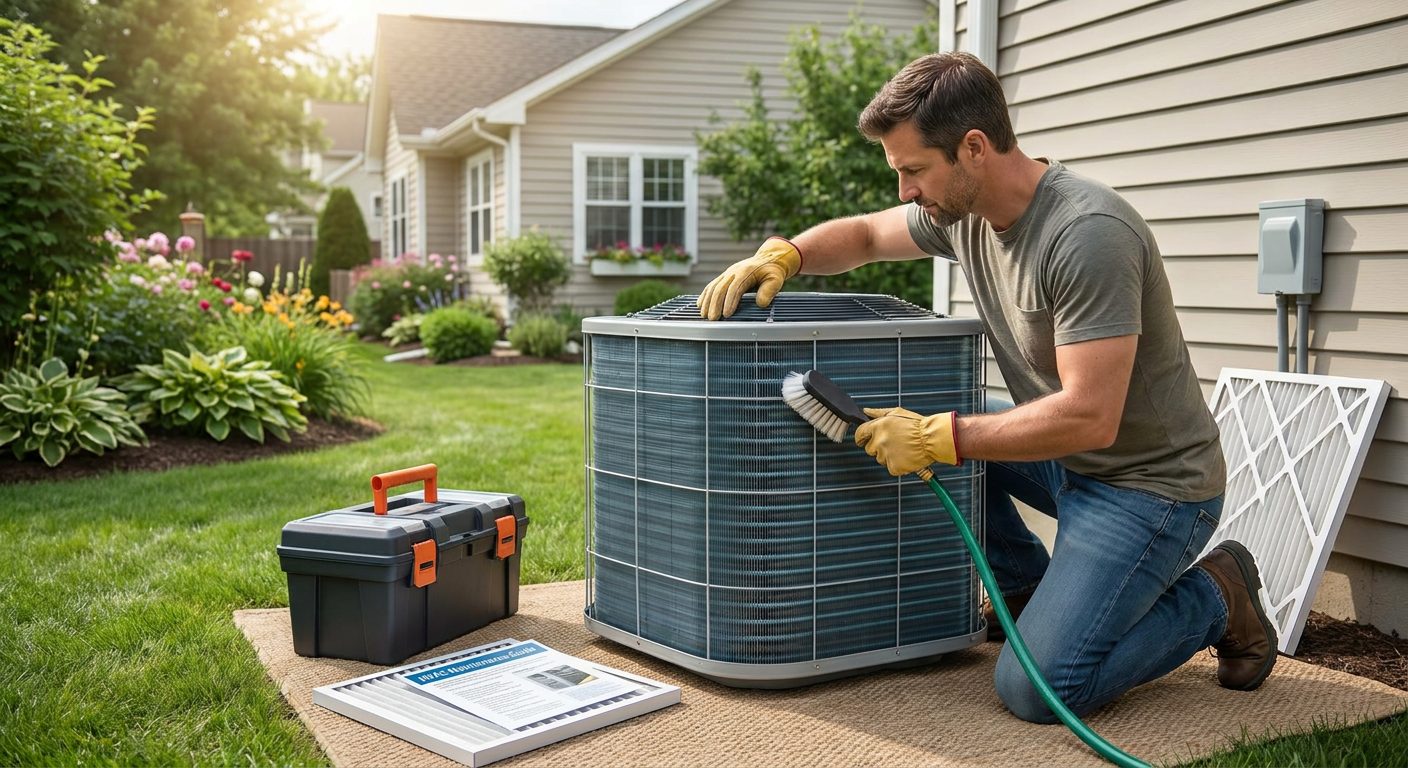
- Gentle Cleaning: After ensuring the power is completely off at the breaker, use a garden hose (not a pressure washer, which can bend delicate fins) to gently spray down the condenser coil from the inside out. This pushes debris away from the core of the unit. If the fins are visibly dirty, you can use a soft brush to carefully remove caked-on grime. A bent fin comb can be used to straighten any bent fins, but exercise extreme caution.
- Level Ground: Over time, the ground beneath your outdoor unit can settle, causing it to become unlevel. A slightly tilted unit can stress the compressor. Check with a level, and if it's off, you might need to carefully place shims under the pad or re-level the ground beneath it. This is a task that might warrant professional help if you're uncomfortable with it, but awareness is key.
The Indoor Coil: The Hidden Culprit of Inefficiency
While the outdoor unit gets most of the visible grime, the indoor evaporator coil, nestled within your furnace or air handler, is equally susceptible to dirt. This coil absorbs heat and moisture from your indoor air. When it's coated in a layer of dust and grime, its ability to transfer heat plummets, turning your efficient AC into an energy hog. This isn't a simple DIY job, but understanding its importance reinforces why professional cleaning is crucial.
The Fix (and When to Call a Pro): While direct access to clean the evaporator coil is usually a job for a professional, you can help prevent buildup by consistently changing your air filter. A clean filter is the first line of defense against dirt reaching the coil. If you notice reduced airflow, a musty smell from your vents, or significantly higher energy bills without a filter change, your evaporator coil likely needs a thorough cleaning. This is where your trusted technician in West Valley City comes in. They have specialized tools and cleaners to safely remove buildup without damaging the delicate fins.
Condensate Drain Line: Preventing an Overflowing Problem
As your AC cools your home, it also dehumidifies it, creating condensation. This water collects in a pan and drains away through a PVC pipe, often leading outside. Over time, algae, mold, and sludge can build up in this drain line, causing it to clog. The result? Water backing up into your home, potentially damaging ceilings, walls, and flooring, or even shutting down your system if it has a safety switch.
The Fix:
- Regular Flushing: Locate your condensate drain line. It's usually a small PVC pipe coming out of your indoor unit. Pour a cup of distilled white vinegar or a bleach/water solution (1 part bleach to 16 parts water) down the access port every few months. This kills algae and prevents clogs. Follow with a cup of plain water to flush it through.
- Check for Obstructions: If you notice water pooling around your indoor unit or the system isn't cooling, check the end of the drain line outside for visible obstructions. Sometimes a leaf or mud dauber's nest can block the exit.
Thermostat Savvy: More Than Just Temperature Control
Your thermostat is the brain of your HVAC system. How you use it directly impacts efficiency and wear and tear. Constant, drastic temperature changes force your AC to cycle on and off frequently, which is less efficient and puts more strain on the compressor than maintaining a consistent temperature.
The Fix:
- Program for Efficiency: If you have a programmable or smart thermostat, use it! Set higher temperatures when you're away or asleep. A few degrees difference can translate to significant energy savings without sacrificing comfort.
- Avoid Drastic Changes: Resist the urge to crank the thermostat down to 60°F on a sweltering day, expecting instant arctic conditions. Your AC will work harder and longer, but it won't cool your home any faster. Set a comfortable temperature and let the system do its job gradually.
- Check Calibration: Occasionally, a thermostat can become miscalibrated, reading the temperature incorrectly. If you suspect this, compare its reading to a separate thermometer placed nearby. A professional can recalibrate or replace a faulty thermostat.
The Importance of Annual Professional Tune-Ups
The DIY tasks discussed here are crucial, but they are not a substitute for an annual professional AC tune-up. Think of it this way: you change your car's oil, but you still take it to the mechanic for comprehensive inspections and specialized maintenance. A professional technician will:
- Check refrigerant levels and pressure (a task requiring specialized equipment).
- Inspect and tighten electrical connections.
- Lubricate moving parts.
- Test capacitors and relays.
- Check for refrigerant leaks.
- Clean the evaporator coil (as mentioned earlier).
- Perform a comprehensive system diagnostic to catch potential issues before they become expensive breakdowns.
This annual check-up, especially vital for the demanding climate in Salt Lake County, ensures your AC operates at peak efficiency, prolongs its life, and helps prevent unexpected failures. It's an investment that pays dividends in comfort, energy savings, and peace of mind.
By taking an active role in these straightforward DIY HVAC maintenance tasks and complementing them with professional tune-ups, you're not just extending the life of your AC system; you're safeguarding your home's comfort, reducing your energy footprint, and avoiding the dreaded mid-summer repair emergency. Your HVAC system is a significant investment; treat it with the care it deserves, and it will serve you faithfully for years to come.